Shaving with a double edge razor rewards good habits. The blade is honest. It will give you a close, lasting shave if you give it the right angle, pressure, and prep. Rush through, mash the handle into your face, or skip the lather, and the razor will remind you with redness and weepers. After two decades of moving between safety razors, straight razors, and modern single blade designs like the Henson razor, the same principle keeps proving true: technique beats technology. A $40 Merkur 34C with a $0.15 blade can outperform a premium cartridge if your fundamentals are right.
This guide focuses on how to reduce irritation and nicks with a double edge razor, but the methods translate well to other tools. If you enjoy a Shavette, a traditional straight razor, or a mild single blade design, the approach simply adjusts for the hardware.
What actually causes irritation
Irritation comes from a few predictable sources. The blade scrapes, rather than cuts, when the angle is off or the lather fails. Too much pressure plows skin cells and micro-bumps into the edge. Repeated passes over the same spot without lubrication heat the skin and invite inflammation. A dull blade tugs hair, especially in dense growth under the jaw and around the mouth. Fragrance-heavy products can also irritate sensitive skin.
The good news: each cause has a clear fix. A reliable pre-shave routine softens hair and cushions the skin. A stable, shallow angle lets the edge do the work. Light pressure protects your stratum corneum. Sharp, appropriate double edge razor blades prevent tugging. Discipline between passes avoids rawness. Small tweaks outweigh exotic gear.

Prep is half the shave
Think of preparation as reducing the work your razor has to do. Hydrated hair cuts more easily, like pasta after it hits boiling water. If you shave right after a shower, you start ahead. If not, a warm towel for a minute or two helps. Facial cleansers that rinse clean are better than heavy soaps that strip and leave the skin tight. You want pliable, not squeaky.
Use a good lather. A quality shaving soap or cream mixed with a shaving brush gives you density and glide you cannot get from hand-applied foam. The brush lifts hair and works hydration into the stubble. Three things matter in the lather: water content, structure, and slickness. If it looks dry and pasty, add a bit more water. If it looks airy like meringue, you added too much, and the razor will skate without cushion. Aim for yogurt, glossy and flexible.
Anecdotally, I notice that when my lather is right, the blade sounds crisp but feels quiet. You will hear whiskers being cut, yet the razor glides without chatter. That sound becomes a cue. If it gets raspy or squeaky, the lather is off, or the blade is done.
If you like pre-shave oils, use only a few drops. Too much oil can trap water away from the hair and make your razor head gunky. For most people, a solid soap or cream handles the job. Those with coarse beards may benefit from a brief pre-shave lotion or cube, but keep it simple.
Mastering angle, pressure, and stroke
Angle defines whether the blade slices hair or scrapes skin. With a double edge razor, you want the cap of the head to lead slightly. Set the cap on your skin, then lower the handle until the blade just starts to cut. That is usually around 30 degrees. Razors differ in head geometry, so let the razor tell you. A Merkur 34C is forgiving and will accept a small range, while a Henson shaving head tends to lock you into a precise shallow angle that prevents mistakes. That is one reason people find the Henson razor easy to learn, especially if they have been cartridge shavers.
Pressure should be feather-light. This is where cartridge habits carry a cost. Cartridges hide the blade. A double edge razor does not. Imagine wiping lather off your skin with a paintbrush held at the end of the handle. Enough contact to keep the edge engaged, but not enough to depress the skin. If your fingertips whiten on the handle, ease up.
Stroke length and pace influence safety. Shorter strokes, about one to two inches, give better control and help you maintain angle around curves. Rinse the head often. Foam and stubble build up reduces sharpness at the edge. You do not need speed. Precision and rhythm prevent nicks, especially over the Adam’s apple or along the jaw.
Grain mapping helps more than any trick. Hair does not grow in a perfect downwards pattern. On most faces, it swirls on the neck and changes direction under https://jaspermtuf237.huicopper.com/razors-and-skin-types-matching-the-right-tool-to-your-face the jaw. Before you chase a glass-smooth finish, learn your grain. Run your fingers over stubble to feel which direction is smooth and which is rough. That map guides your first pass and reduces the need for aggressive against-the-grain work.
A calm, effective three-pass approach
A three-pass shave is simple: with the grain, across the grain, and, if your skin tolerates it, against the grain in specific areas. You do not have to do all three everywhere. The goal is reduction, not removal in a single pass.
First pass, with the grain, reduces bulk safely. Keep the angle shallow, the pressure light, and your strokes short. Do not chase perfection. Rinse, relather, and your second pass handles the texture left behind.
Second pass, across the grain, evens the field. If your beard is heavy, try a slight diagonal rather than a true 90-degree cross. This often calms the neck where hair grows like a whirlpool. Use skin stretching, but gently. Two fingers placed an inch away can flatten a hollow and lift hair. Avoid stretching so hard that you raise the hair into the edge like a tripwire.
Third pass, against the grain, is optional. Many can get a near-BBS finish with two passes and light touch-ups. If you do go against the grain, restrict it to the cheeks and jawline first. The upper lip and lower neck are high risk. Dial your angle even shallower, slow down, and keep lather fresh. If your skin objects, accept a two-pass shave and live to shave comfortably the next day.
Buffing, J-hooking, and other advanced strokes
Once you have the fundamentals, a few refinements help you chase trouble spots without paying in irritation.
Buffing is a series of very short, almost polishing strokes over lather, usually after the second pass. Keep the pressure so light that the razor barely kisses the skin, and reapply a thin layer of slick lather before buffing. It works well on the jaw angle where stubble hides.
J-hooking changes the direction of cut without changing your grip. Start a short stroke, then curve the handle a bit at the end into a J motion. This targets hair that lies flat or changes direction mid-patch. Use it sparingly, with excellent lather. Done poorly, it abrades the skin.
Gillette slide is a diagonal stroke that lowers resistance, almost like slicing bread rather than pushing a knife straight down. Keep the razor moving south while you drift slightly east or west. The blade meets hair at an angle, improving cutting efficiency per stroke. It requires control and a good sense of angle. Avoid it on the neck until you are confident.
None of these techniques fix bad prep or dull blades. They refine a good shave. If they cause more redness than benefit, back off and return to two smooth passes with light touch-ups.
Blade choice matters, but not the way you think
People love to debate razor blades. Feathers are sharp, Astras are smooth, Personnas land in the middle, and so on. The truth is less dramatic: your skin, beard density, and razor head design decide which blade feels right. In a mild razor like the Merkur 34C, a sharper double edge razor blade can be perfect if your technique is steady. In a more efficient head with larger blade exposure, a mid-sharp blade might give you the same closeness without feeling harsh.
Change one variable at a time. If you switch from a disposable razor to a safety razor, stick with one brand of safety razor blades for a week. Give your skin time to adapt. Then test another brand for a few shaves. Keep notes. Sharpness is not the only factor. Coating, grind, and edge geometry affect smoothness, especially on day two and day three.
Do not chase longevity. Many blades are at their best for two to four comfortable shaves. Some heavy-bearded shavers swap after one. That is fine. A fresh blade is cheaper than a face full of razor burn.
Razor geometry and what it does to your skin
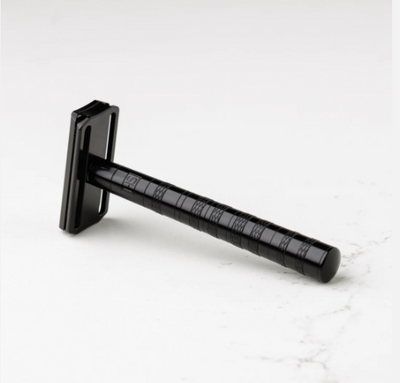
Mild, medium, and efficient are words that matter. A mild safety razor has less blade exposure and gap, often with a head that wants a shallow angle. The Henson shaving design stands out here. It guides you into a specific angle and punishes pressure, which is good for beginners. It is also popular in Canada, where Henson shaving Canada stockists have made it easy to try different finishes and gaps. On the classic side, the Merkur 34C is a medium-aggressive, short-handled stalwart that gives feedback without biting. It pairs well with a broad range of blades and has taught generations to shave properly.
Open combs tend to handle longer growth better. Slants slice rather than chop and can feel smoother on coarse beards. Adjustable razors let you tame the first pass with a lower setting and dial up for the second. Each option has trade-offs. If your skin is reactive, prioritize a stable head that encourages a shallow angle and light touch. If your beard is dense and wiry, a slightly more efficient head paired with solid lather and careful technique reduces the number of passes you need, which in turn reduces irritation.
It is easy to get distracted by the catalog. Focus on whether the razor helps you maintain angle and control. The best safety razors make the right technique easier, not flashier.
Lather that protects, not perfumes
A reliable shaving soap or cream should give you slickness first, cushion second, and fragrance last. Many artisan soaps do all three. Beginners often underhydrate, producing lather that looks pretty but skips on glide. Add water in small dips until the surface turns glossy and elastic. If the razor stalls, add water, not more product.
Brush choice affects your workflow. Badger holds water and builds a dense lather quickly. Boar can feel scrubby, good for lifting flat hairs, though it needs a few weeks to break in. Synthetics have improved to the point where they offer consistent performance, dry quickly, and are easy to clean. For travel, synthetics are simple. Whatever you choose, rinse thoroughly. Old lather in the knot can go rancid and irritate skin.
Propellant gels and foams can work in a pinch. The trade-off is thin protection and a tendency to dry fast. If you reach for them, shave faster with shorter sections, or add water with your free hand to keep the area slick. Those who favor a straight razor or Shavette benefit even more from a dense lather, since there is no safety bar to buffer the edge.
Pressure and posture: the quiet variables
The way you hold a razor sets your pressure without you noticing. Choking up on the neck invites force. Try holding the end of the handle with thumb and two fingers. This weak grip prevents you from bearing down. Keep your elbow loose and your wrist neutral. Rotate from your forearm to maintain angle, rather than bending the wrist through a wide arc.
Use a mirror for sightlines, not for micro-guiding the blade. Feel matters. The sound of cutting, the feedback in the handle, and the slickness of the lather tell you more than the mirror does at four inches. When the razor skips, stop and relather. When it drags, check the angle and blade.
Breathing helps. If you hold your breath on the tricky pass along the jaw, you tense your hand. Exhale, slow the stroke, and finish the line.
Troubleshooting common trouble spots
Upper lip is unforgiving. Keep the angle very shallow, reduce pressure to almost nothing, and make two very short strokes rather than one long one. Stretch the lip over your teeth, which flattens the surface. Save it for the end of the pass, when your muscle memory is warmed up.
Adam’s apple invites nicks. Swallow and hold to shift it aside, then shave the flat area. Or slide the skin to the side with two fingers to shave a flat patch, then release and repeat on the other side. Do not chase this area against the grain until the rest of your technique feels automatic.
Jawline hides stubble. Tilt your head up and away to tighten the skin. Use diagonal across-the-grain strokes or gentle buffing with fresh lather. Resist the urge to scoop under the jaw with the handle pointing straight up. That angle often flips the blade into a scrape.
Neck swirls are where grain mapping pays off. Shave with the grain first, then take a partial across-the-grain pass at a shallow angle. If redness appears, stop there for a day or two. Many shavers can never go fully against the grain on the low neck without irritation. There is no rule that says you must.
Sideburns and edges benefit from a single edge razor or a guarded approach with your safety razor. Short, precise strokes define the line. Rinse the area clean so residual lather does not obscure the edge.
Post-shave care that calms, not stings
Cold water rinses reduce residual swelling and remove product. Pat dry, do not rub. If your skin feels tight, reach for a simple, alcohol-free balm with humectants like glycerin and soothing ingredients like allantoin or panthenol. Witch hazel can be helpful, but watch for added fragrance. Alum blocks can stop weepers, yet overuse dries the skin and delays recovery. Use alum only as a spot treatment, then rinse it off after a minute.
Fragrance-heavy splashes can be enjoyable. If you want to use them, apply a balm first, let it settle for a minute, then tap on a small amount of splash. Layering protection under scent reduces sting and irritation.
Building a routine that lasts
Consistency beats novelty. If you bounce between six razors, four blades, and a new artisan soap every week, it is hard to debug irritation. Pick one setup and run it for two weeks. For many, a Merkur 34C with a mid-sharp blade and a dependable shaving soap sets a strong baseline. If you prefer high precision with built-in angle control, the Henson razor does the job with fewer variables. Both keep maintenance simple. Both are easy to clean and travel with.
Set a time when you are not rushed. Five to ten calm minutes, plus a minute or two for cleanup, keeps the ritual stress-free. Replace blades on a schedule. If you shave daily, change blades every two to four shaves. If you shave every third day, one or two uses per blade might be enough.
When you change anything, change one variable. If your neck stays red, try a different blade with the same razor. If that fails, keep the blade and switch to a milder razor head. If that fails, revisit your lather and prep. Slow, methodical adjustments save skin.

How different tools influence technique
A few notes on common tools people compare or cross-train with:
- Safety razor vs disposable razor: Disposables use narrow, light heads with flexible cartridges. They forgive pressure but tempt you to press. A classic safety razor rewards the opposite. If you switch, consciously lighten your hand and shorten your strokes for a week while your muscle memory resets. Double edge razor vs straight razor or Shavette: Straights and Shavettes show everything. No safety bar, no guard. Your angle must be even shallower, your prep even more careful. The payoff is a true one or two pass shave with incredible closeness. Nicks come from impatience or dull edges. If you enjoy the ritual, the discipline carries back to your safety razor in a good way. Single blade razor designs like Henson shaving: The Henson head geometry limits error and delivers a very consistent angle. Many find fewer nicks immediately, because the razor refuses pressure. Paired with sharp razor blades, it excels for daily shaves and sensitive skin. If you want more efficiency, you can select a more aggressive gap, but the same fundamentals apply. Blade variety: Some faces love the clinical sharpness of a Feather, others prefer the smoother feel of a Gillette Platinum or Personna. Give each blade at least two shaves before you judge it. Day one can feel harsh as coatings wear in. Day two often reveals the truth.
Small habits that prevent big problems
Shave after a shower or after a proper face wash. Build a hydrated lather with a shaving brush and a reliable shaving soap or cream. Keep your angle shallow and your pressure feather-light. Take short strokes and rinse often. Reduce, do not remove, on each pass. Stop early in problem areas, rather than insisting on perfect smoothness everywhere. Finish with cool water and a simple balm.
If you smoke cigars and keep cigar accessories nearby in your den, keep them away from your shave shelf. Tobacco odor clings to brushes and soaps. Store razor blades dry, away from steam, to prevent edge corrosion. Wipe your razor dry and crack the head open after use so trapped water does not spot or rust. A minute of maintenance saves you the frustration of a rough first pass the next day.
When nicks happen anyway
Even with great technique, you will eventually tap a bump or catch a hair that grows at a strange angle. Rinse with cool water, press a clean tissue for ten to twenty seconds, then use a dab of alum or a styptic pencil on the spot. Do not re-shave the area that day. At your next shave, paint a thin film of lather over that spot and reduce pressure even further. If a region reopens often, map the grain again, reduce the number of passes there, and avoid aggressive buffing for a week.
Persistent irritation in the same place could be ingrowns. Consider using a gentle chemical exfoliant a couple of nights a week, something with low-percentage salicylic acid, and keep your post-shave simple. Do not scrub with harsh physical exfoliants the night before a shave.
Putting it all together
If you want a quick, reliable routine that minimizes irritation and nicks:
- Shower or wash your face with warm water, then build a hydrated lather with a brush and a dependable soap. Use a sharp, familiar double edge razor blade in a mild to medium safety razor. Set the cap first to find a shallow angle, and use almost no pressure. Take one pass with the grain using short strokes, re-lather, then one pass across the grain. Only go against the grain where your skin tolerates it, and only with fresh, slick lather. For touch-ups, apply a thin lather film and use gentle buffing. Stop before your skin feels hot. Rinse cool, pat dry, and apply an alcohol-free balm. Swap the blade before the next shave if today’s felt tuggy.
That framework works whether you are holding a Merkur 34C, a Henson razor, or another well-made safety razor. With a straight razor or Shavette, keep the angle even shallower and slow down, but keep the rest of the routine identical. Most nicks vanish when you respect angle and pressure, and most irritation fades when you ask the razor to cut hydrated hair over a slick cushion instead of dragging through desert.
The appeal of traditional Razors is not only the closeness. It is the control. A double edge razor reminds you, gently at first and harshly if you ignore it, that small habits matter. Once those habits settle, the shave becomes quiet, quick, and comfortable. The mirror shows a calm face. The sink stays clean. The blade does its job, and your skin thanks you.